Programs
Utility Vegetation Management (UVM)
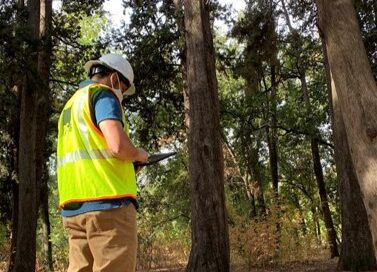
Pre-Inspector — Level One
A foundational workforce readiness program designed to prepare individuals for entry-level Utility Vegetation Management (UVM) pre inspection roles, helping utilities meet CPUC General Order 95 requirements for vegetation inspection and compliance along overhead power lines.
This program builds a structured foundation of knowledge and field capability required to perform Utility Vegetation Management (UVM) pre inspections, with a strong emphasis on Utility Tree Risk Assessment.
Core Training Areas
- Electrical Hazard Awareness (EHAP) & Utility Context
Understanding electrical systems, hazard recognition, and CPUC General Order 95 requirements for working around overhead conductors. - Tree Biology & Species Identification
Foundational knowledge of tree growth, structure, and species-specific characteristics relevant to utility environments. - Safety Fundamentals & Emergency Response
General safety practices, hazard recognition, and response protocols required for fieldbased utility work. - Utility Tree Risk Assessment (UTRA) Methodology (Core Focus)
A structured, three step evaluation process:
o Likelihood of Impact (proximity, fall direction, tree structure, load distribution)
o Likelihood of Failure (defects and conditions from canopy to root system
and site conditions)
o Conclusions & Mitigation (defensible recommendations and prescriptions) - Field Communication & Professional Practice
Communicating findings clearly, interacting with the public, and representing utility work professionally in the field. - Written & Practical Evaluation Standards
Comprehensive written examinations and field-based practical assessments to verify knowledge, decision-making, and job readiness.
Utility Line Clearance Arborist Training (ULCAT)
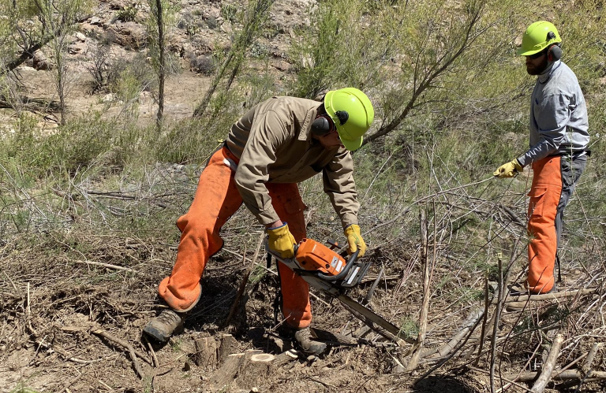
A structured workforce readiness program designed to prepare individuals for entry-level Utility Line Clearance Arborist roles, building the knowledge, field skills, and professional discipline required to work safely and effectively around overhead electrical systems.
The program combines classroom instruction, hands-on field training, written examinations, and practical evaluations to develop real job readiness not just exposure. Training progresses from foundational safety and regulatory knowledge into tool use, climbing, rigging, aerial lift operations, and emergency response in utility work environments.
Core Training Areas
- Electrical Hazard Awareness, Utility Safety, and Regulatory Requirements
Understanding electrical hazards, minimum approach distance, utility safety practices, and the regulatory framework that governs line clearance work. - PPE, Equipment Inspection, and Safe Field Operations
Inspection and use of required protective equipment, chainsaws, chippers, climbing systems, rigging gear, and aerial lift equipment. - Ground-Based Chainsaw Work, Limbing, Bucking, and Tree Felling
Foundational cutting skills, reactive-force awareness, work-zone control, and safe tree handling techniques used in utility vegetation operations. - Climbing and Rigging Fundamentals
Tree access, movement aloft, tie-in point selection, friction saver installation, load control, and communication between climber and ground crew. - Aerial Lift Operations
Bucket truck inspection, stabilization, test flight procedures, fall protection, cutting aloft, and aerial emergency and rescue-related response fundamentals. - Crew Communication, Professional Conduct, and Field Readiness
Clear verbal communication, safe crew coordination, and the work habits expected in active utility crew environments. - Written and Practical Evaluation Standards
Knowledge checks, field-based assessments, and performance evaluations that verify trainees can apply what they learn to expected standards.
Participants leave the program with both conceptual understanding and applied field experience, supporting a stronger transition into active utility line clearance crews.
Share This :